So, you’re finally ready to close in on that house. It’s an exciting moment, the beginning of beginnings. But the excitement is usually accompanied by anxiety and worries, which is natural, given how big of a decision it is.
Being prepared, armed with the appropriate knowledge however can save you a lot of worries, a big chunk of which is, of course, related to finances. On the closing day, expect to cover the following expenses, which can account for about 3% to 7% of the purchase price of the house –
Who Pays for These Closing Costs?
Typically, most of the expenses are borne by the buyer while some are met by the seller. There’s also room for negotiation on some of the costs, depending on the market.
Borne by the Buyer –
- There are lender fees that are paid to the lender and vary from lender to lender. These typically include an origination fee, application fee and may include prepaid interest as well.
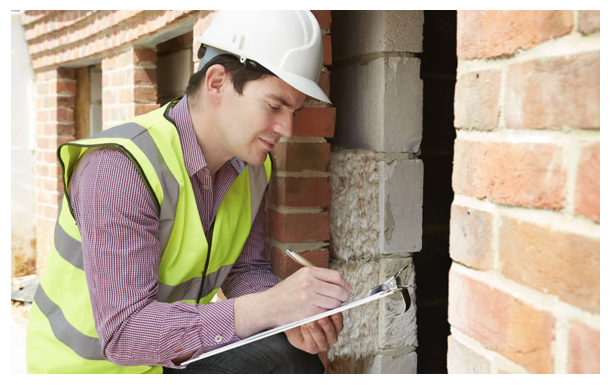
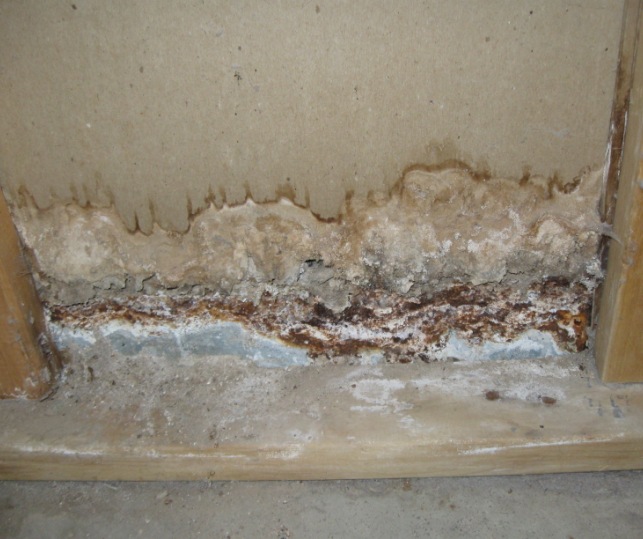
- A variety of third-party charges are charged from attorneys, home inspectors among other fees like that of appraisal (for assessing the value of the house being purchased), credit report, and mortgage insurance ( to compensate the lender in case a borrower defaults). Although optional, hiring a home inspector is usually a good idea as a home inspection report can make or break a deal. An inspection will reveal the condition of the house (structural wear), repairs and damages, and any safety concerns that you’d need to know. If in doubt, further testing for hazards like asbestos, mold, or pests (termites) is recommended. (Visit Home Inspector Tulsa OK for more information.)
- Becoming a homeowner is accompanied by several expenses (some of which are optional) – property taxes, homeowner’s hazard insurance (to protect against things like damage due to fire or theft), settlement for closing (escrow fee) among others.
Borne by the Seller –
- Usually, the largest expense at closing for the seller is the real estate commission.
- Costs related to property title (title transfer) are also met by the seller. However, in some cases, there might be room or negotiation and the buyer may be able to convince the seller to take care of some of them.
- The seller also pays for his attorney, a part of the annual property taxes for which the seller credits the buyer for the number of days the seller owned the house.
The repairs and replacements required may come up in the inspection report may also be used as a tool to either renegotiate the price of the house or to convince the seller to pay for some or all of these expenses. Thorough research can help you save hundreds, if not thousands of dollars!