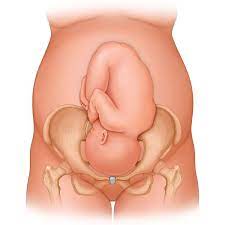
Right occiput anterior
You can manage discomfort and pain in the last few weeks of pregnancy by knowing your baby’s position. You can adjust your position during labor and speed up labor by knowing your baby’s position.
Right or left Occiput Anterior
The fetal position is determined by where the baby’s head lies in the birth canal. The anterior portion is called the front and the posterior the back. Two possible positions, the occiput anterior or OA positions, can occur.
The most common position in labor is the left occiput posterior (LOA). This position places the baby’s head slightly off-center in the pelvis, with the back of her head towards the left thigh.
It is common for labor to present right occiput anteriorly (ROA). This position places the baby’s back slightly off-center in the pelvis, with the back end of the head towards the mother’s right thigh.
OA positions don’t cause problems during labor or give additional birth pain.
Transverse Occiput Right or Left
The baby’s left occiput transverse position is when it faces toward the mother’s right forearm (LOT). This position is halfway between an anterior and posterior position. If the baby was in a posterior position previously (in either direction), then the LOT position signifies positive movement towards an anterior position.
The baby is right occiput transverse (ROT) if facing inward towards the mother’s left leg. Like the previous presentation, ROT is halfway between an anterior and posterior position. If the baby was in a posterior position previously, ROT could signify that the baby is moving toward an anterior position.
It is possible for a baby to be in the right occiput longitudinal (ROT) or left occiput transverse (LOT) position during labor. This can lead to greater pain and slower progress.
Tips to Reduce Stress
A mother can use several positions to ease pain and encourage the baby to rotate toward an anterior position.
- Lunging
- Pelvic tilts
- Standing and moving
A doula, labor nurse, or doctor may offer other positions.
Right or Left Occiput Posterior
The baby is in the occiput anterior position when it faces forward. If the baby faces forward, it is in the left-occiput posterior position (LOP). This can cause more back pain, sometimes referred to as “back labor,” and slow progression of labor.
The right occiput posterior (ROP) position has the baby facing forward and slightly to its right (looking towards the mother’s left leg). This position can slow down labor and increase pain.
Tips to Reduce Stress
Mothers can take various positions to help their baby move to a better place for birth.
- Knees and hands
- Lunges
- Pelvic rocking
Mothers might also consider other comfort measures such as:
- Shower (water) or bathtub
- Cold packs
- Resist the temptation
- Massage
- Moving (swaying and dancing, sitting down on a birth ball ).
- Rice socks (heat packs)
How a doctor determines a baby’s position
Leopold’s maneuvers are a series of hands-on examinations your doctor will use to determine your baby’s position. The third-trimester assessment will take place during your prenatal visits. Knowing your baby’s position before labor can help you prepare for delivery.
A vaginal exam is a way for a doctor, nurse, or midwife to assess your baby’s position once labor has begun. Once your cervix has dilated sufficiently, the practitioner will perform a vaginal exam.
Labor and delivery can be more difficult if the baby is not lying down.