Many homeowners want to receive free terrestrial TV channels.
This is because terrestrial TV offers sports and news channels for free in many cases. According to statistics 78% of millennials have access to traditional television, specifically because they can watch sports and news channels for free.
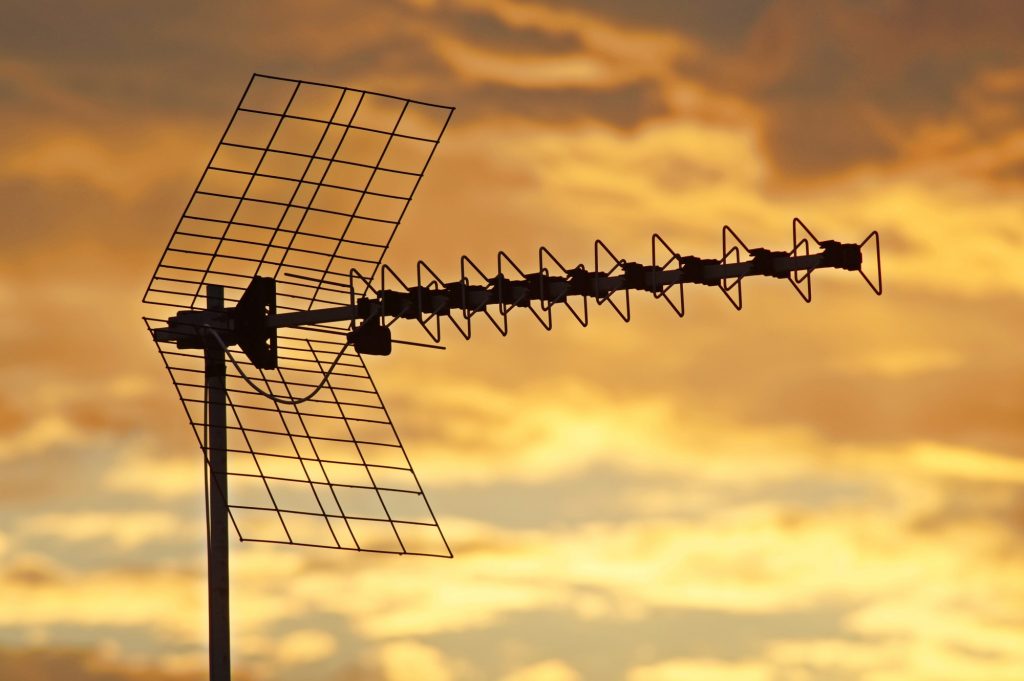
You will need an antenna to receive free-to-air TV.
We can help. You must install an antenna correctly, or you could end up with no TV signal and a hole in the wallet.
9 Tips To Help You Install Your Antenna.
1. Indoor and outdoor antenna types: Consider carefully.
First, you should decide whether you want an indoor or outdoor antenna.
In Australia, indoor antennas are not generally effective. These antennas are most suitable for areas with a very high station coverage. You may have no other option if your apartment is too small to allow you to access the roof for an outdoor antenna or if the existing system in the building does not permit you to add a new television point.
Indoor antennas are almost always weak and produce pixelated images.
You should use an outdoor antenna if you have any doubts about the strength of your signal or if you want to get the best reception.
Installation is easy if you select an indoor antenna. Installation of an outdoor antenna is more complicated.
2. Research your reception.
You should then research what channels and reception you can get in your locality. This can be done by using the MySwitch Website which covers Australia. Enter your address to find out what coverage is available in your area.
You can also ask your neighbours or people who live in the same area as you about the channels and reception strength that they receive.
3. Purchase high-quality cabling.
Pick up a high-quality coaxial cable. (This is the cable that connects your antenna to your television.) Choose a coaxial cable that is quad-screened or satellite grade. It is important to consider this if the antenna will be shared by multiple TVs.
4. Prepare your materials and tools before you start.
Assemble everything you need before you begin installing your new antenna.
You will need a hammer or regular drill, wire cutters and ladder to reach your roof (or wherever you plan to mount your antenna). We recommend that you complete a height safety training course, as well as using the necessary safety gear, such a harness.
If you plan to connect two or more televisions, you will need an antenna, screws and a mounting, a cable, possibly cable ties, as well as splitters.
It is frustrating to start a project only to discover that you lack the necessary supplies or tools. Get all these and any other items you may need before starting the installation.
It is a good idea, if you are unsure about this process to have someone else do the installation.
5. Test for reception.
Test reception on your roof before mounting your antenna. You will need a DVB T spectrum analyser, also called a TV Meter to measure the signal quality and strength. You will need someone to help you find channels and measure the strength of the signal coming to your TV if you want to do it yourself.
6. Keep your antenna away from power lines.
If you are mounting your antenna on your home, be sure to keep it away from other cables that run to or above your home, as they can interfere with reception.
7. You can spy on your neighbors’ antennas to see which direction they are facing.
Look at the antennas of your neighbors if you’re unsure which way to point yours. You can guess that the area’s best reception comes from the direction that most of your neighbours point their antennas.
8. Keep your antenna away from metal objects.
Also, mount your antenna as far away from metal roof components as possible. Try to keep your solar power system as far away from your antenna as you can. The solar panels should not be affected by the antenna’s shadow (at any time) or the solar inverters should not emit RF signals which can affect your TV reception.
If your roof is made of tin, you may want to mount your antenna using a tripod or a chimney mounting. You can also place it on a tall mast in your yard.
9. Consider a TV signal booster if your signal is weak.
You can get a TV antenna amplifier or signal booster if you have problems with a weak signal or are having trouble due to a split or long coaxial cable.
Use a TV amplifier only when necessary. Improper use can cause unwanted signals to increase and cause additional noise in your reception. Low signal levels are just one of the reasons why your TV might not have a high-quality picture.
Install Your Antenna With These Tips.
It can be difficult to install an antenna, but if you follow these tips and have a bit of knowledge, it’s not impossible.
You can also contact us if you don’t have the time to install your antenna or the knowledge. We are experts in professional antenna installations and can take the hassle out of this process.