Taking care of your vehicle’s engine is crucial for its long-term performance. However, one overlooked maintenance task is the replacement of the engine air filter. The engine air filter plays a role in keeping contaminants away from your engine, ensuring smooth and efficient operation for years. By changing this filter, you can improve the performance of your vehicles, and this task can be easily performed at home. So, save money on professional servicing and change your engine’s air filter today. This guide will provide you with steps on how to replace your engine air filter.
Step 1: Gather the tools and materials
Before starting, ensure that you have all the required tools and materials on hand. Typically, you will only need an air filter along with a screwdriver or socket wrench to remove the air filter housing. It’s important to purchase the air filter that matches your vehicle’s make and model. You can find this information in your vehicle owner manual or by consulting an automotive parts retailer.
Step 2: Locate the air filter housing
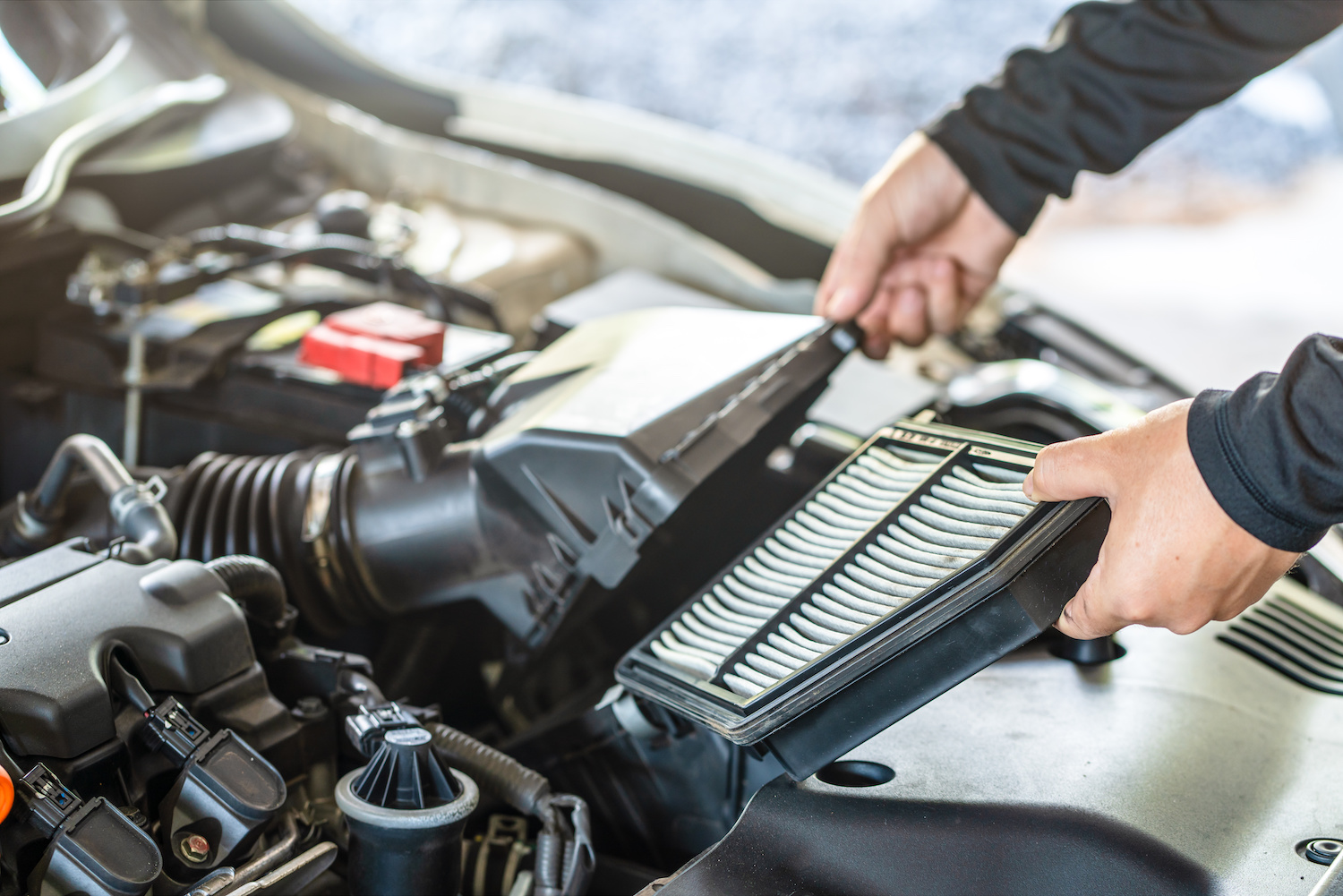
Pop open the hood of your vehicle. Locate the housing for the air filter. The housing is usually a box positioned near the engine and connected to the intake tube.
It could be fastened using clips, screws, or a latch mechanism, depending on the make and model of your vehicle.
Step 3: Take out the old air filter
Gently loosen or remove any clips, screws, or latches that secure the air filter housing. Once you can access the housing, carefully open it to reveal the air filter inside. Make sure to observe how the old filter is positioned so that you can correctly install the one.
Step 4: Examine the air filter
Before getting rid of the air filter, it’s a good idea to inspect it for any signs of dirt, debris, or damage. A clogged or dirty air filter can restrict airflow to your engine and reduce fuel efficiency. If you find that the old filter is excessively dirty or damaged, it becomes more important to replace it.
Step 5: Clean the air filter housing
While you have access to the air filter housing, you can take this opportunity to clean it with a cloth or brush. This will help eliminate any dust, dirt, or debris that may have accumulated in the housing over time and improve the fuel system in your vehicles. Just make sure that you thoroughly dry out the housing before installing your air filter.
Step 6: Install the fresh air filter
Take the brand-new air filter and position it in the same way as the old one. Make sure it fits snugly inside the air filter housing with no gaps or misalignments. Close the housing securely, ensuring that all clips, screws, or latches are tightly fastened.
Step 7: Reattach the air filter housing
Carefully reattach the air filter housing to its position, securing it with any clips, screws, or latches that were previously removed. Double-check that everything is properly fastened to prevent air from entering the engine.
Step 8: Test out the air filter
Now that you have replaced the air filter and reattached the housing, it’s important to perform a test to ensure everything is functioning correctly. Close your vehicle’s hood and start up your engine. Listen for any sounds. Check for any warning lights on your dashboard. If everything sounds normal, there are no warning signs, congratulations! Your new air filter is successfully installed.
Step 9: Establish a maintenance routine
Conduct a regular maintenance job on replacing your engine’s air filter! However, it’s crucial to remember that this isn’t a one-time task. Regularly replacing your air filter is crucial for keeping your engine running and maximizing fuel efficiency. You should consult your vehicle owner manual to determine how often you should replace the air filter and create a maintenance schedule based on that recommendation.
Conclusion
To sum up, replacing the air filter in your engine is an important maintenance task that can enhance both the performance and lifespan of the engine of your vehicle. By following this step-by-step guide, you can easily replace the air filter yourself at home. Save money on servicing. Remember to use the tools and materials, examine the filter, clean the housing if needed, and establish a regular maintenance routine. By taking care of your engine’s air filter, you’re also taking care of your vehicle as a whole.