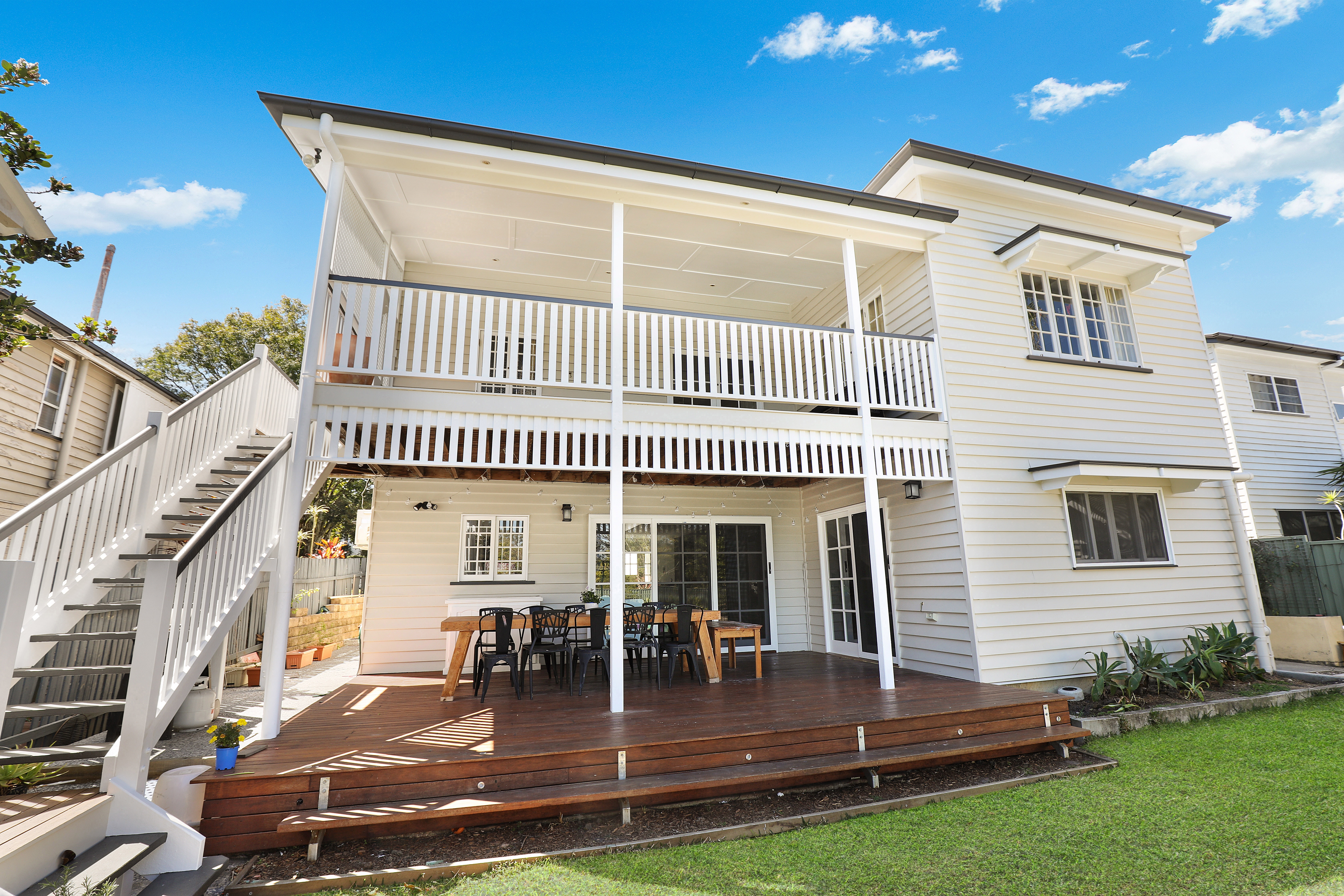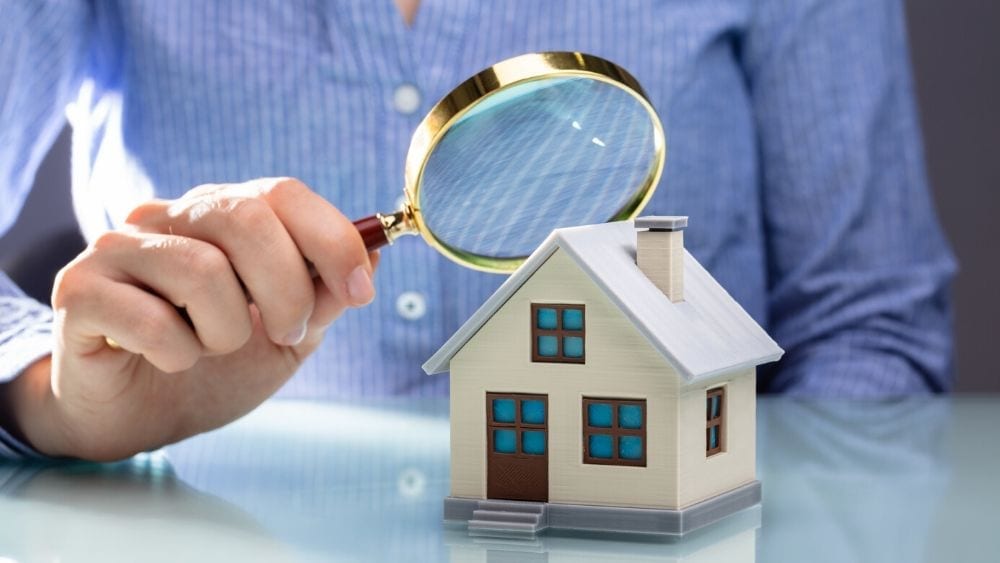
Buying a home is one of the most significant investments one can make. However, beneath the surface of what seems like the perfect abode, there may be lurking issues that could turn your dream home into a nightmare. This is where home inspections play a crucial role. A home inspection is a thorough examination of a property’s condition, aiming to uncover any hidden problems that could affect its value or safety. Home Inspections in Tampa are particularly important given the unique climate and construction challenges of the area.
Pre-Purchase Home Inspection
Before closing the deal on a property, it’s advisable to conduct a pre-purchase home inspection. This involves hiring a professional inspector to evaluate the property’s overall condition. The process typically covers areas such as the foundation, roof, plumbing, electrical systems, HVAC, and more. Pre-purchase inspections provide buyers with valuable insights into the property’s structural integrity and any potential issues that may need addressing.
Different Types of Home Inspections
General Home Inspection
A general home inspection is the most common type and provides a comprehensive overview of the property’s condition. It covers various aspects, including the foundation, structure, roof, plumbing, electrical systems, and more.
Structural Inspection
A structural inspection focuses specifically on the property’s structural integrity, identifying any issues such as foundation cracks, sagging floors, or framing problems.
Electrical Inspection
Electrical inspections assess the property’s wiring, outlets, switches, and electrical panels to ensure they meet safety standards and function properly.
Plumbing Inspection
Plumbing inspections examine the property’s plumbing system, including pipes, fixtures, water heaters, and drainage, to identify leaks, clogs, or other issues.
HVAC Inspection
HVAC inspections evaluate the heating, ventilation, and air conditioning systems to ensure they are functioning efficiently and safely.
Roof Inspection
A roof inspection assesses the condition of the roof, looking for signs of damage, leaks, or wear and tear that may require repairs or replacement.
Pest Inspection
Pest inspections check for signs of pest infestations, such as termites, rodents, or insects, which can cause significant damage to the property.
Environmental Inspection
Environmental inspections focus on issues such as mold, radon, asbestos, or lead paint, which can pose health risks to occupants.
Benefits of Different Types of Home Inspections
Each type of home inspection offers unique benefits. General inspections provide an overall picture of the property’s condition, while specialized inspections delve deeper into specific areas, uncovering potential issues that may have gone unnoticed.
Understanding the findings of different inspections allows buyers to make informed decisions and negotiate repairs or adjustments to the purchase agreement accordingly.
How to Choose the Right Home Inspection
When selecting a home inspector, it’s essential to consider their qualifications, experience, and reputation. Look for inspectors who are licensed, certified, and have a track record of thoroughness and professionalism.
Additionally, consider the specific requirements of the property. For example, older homes may benefit from more extensive inspections, while newly constructed properties may only require a basic evaluation.
The Home Inspection Report
After the inspection, the inspector provides a detailed report outlining their findings. This report typically includes descriptions of any issues discovered, along with recommendations for repairs or further evaluation by specialists.
Buyers should review the report carefully and consult with their real estate agent to determine the appropriate next steps, whether it involves negotiating repairs with the seller or seeking additional inspections.
Negotiating After a Home Inspection
Armed with the inspection report, buyers can enter into negotiations with the seller to address any issues uncovered during the inspection. This may involve requesting repairs, credits, or a reduction in the purchase price to compensate for the cost of addressing the issues.
Effective negotiation requires clear communication, reasonable expectations, and a willingness to compromise to reach a mutually beneficial agreement.
DIY Home Inspections
While professional inspections are recommended, there are some basic inspections that homeowners can conduct themselves. These include checking for signs of water damage, testing smoke detectors, and inspecting visible plumbing and electrical fixtures.
However, DIY inspections have limitations, and it’s essential to know when to seek professional help to ensure all potential issues are properly addressed.
Common Issues Found During Home Inspections
During home inspections, inspectors often uncover a variety of issues that may require attention. Common problems include structural issues such as foundation cracks or sagging floors, electrical and plumbing issues, pest infestations, mold, and roof damage.
Cost of Home Inspections
The cost of home inspections varies depending on factors such as the size and location of the property, the type of inspections required, and the inspector’s qualifications. On average, general home inspections can range from $300 to $500, with additional specialized inspections costing extra.
Home Inspections for Newly Constructed Homes
Even newly constructed homes can benefit from inspections. While they may seem move-in ready, new homes can still have defects or construction issues that need addressing. New construction inspections focus on ensuring the property meets building codes and quality standards.
Understanding Code Compliance
Ensuring a property is up to code is essential for both safety and legal reasons. Home inspections help buyers verify that the property meets building codes and regulations, reducing the risk of future problems and ensuring peace of mind.
Post-Purchase Inspections
After purchasing a property, it’s advisable to conduct post-purchase inspections to identify any issues that may have arisen since the initial inspection. This allows buyers to address any new concerns promptly and avoid potential surprises down the road.
Importance of Regular Home Maintenance
Regular home maintenance is key to preserving the value and integrity of a property. By performing routine inspections and addressing minor issues promptly, homeowners can prevent larger problems from developing and save money on costly repairs in the long run.
Conclusion
In conclusion, home inspections are a vital step in the home buying process, providing buyers with valuable information about the condition of a property and empowering them to make informed decisions. By understanding the different types of inspections available, buyers can ensure thorough evaluations and negotiate effectively to address any issues uncovered. Ultimately, investing in a comprehensive home inspection can provide peace of mind and protect buyers from unforeseen expenses down the road.