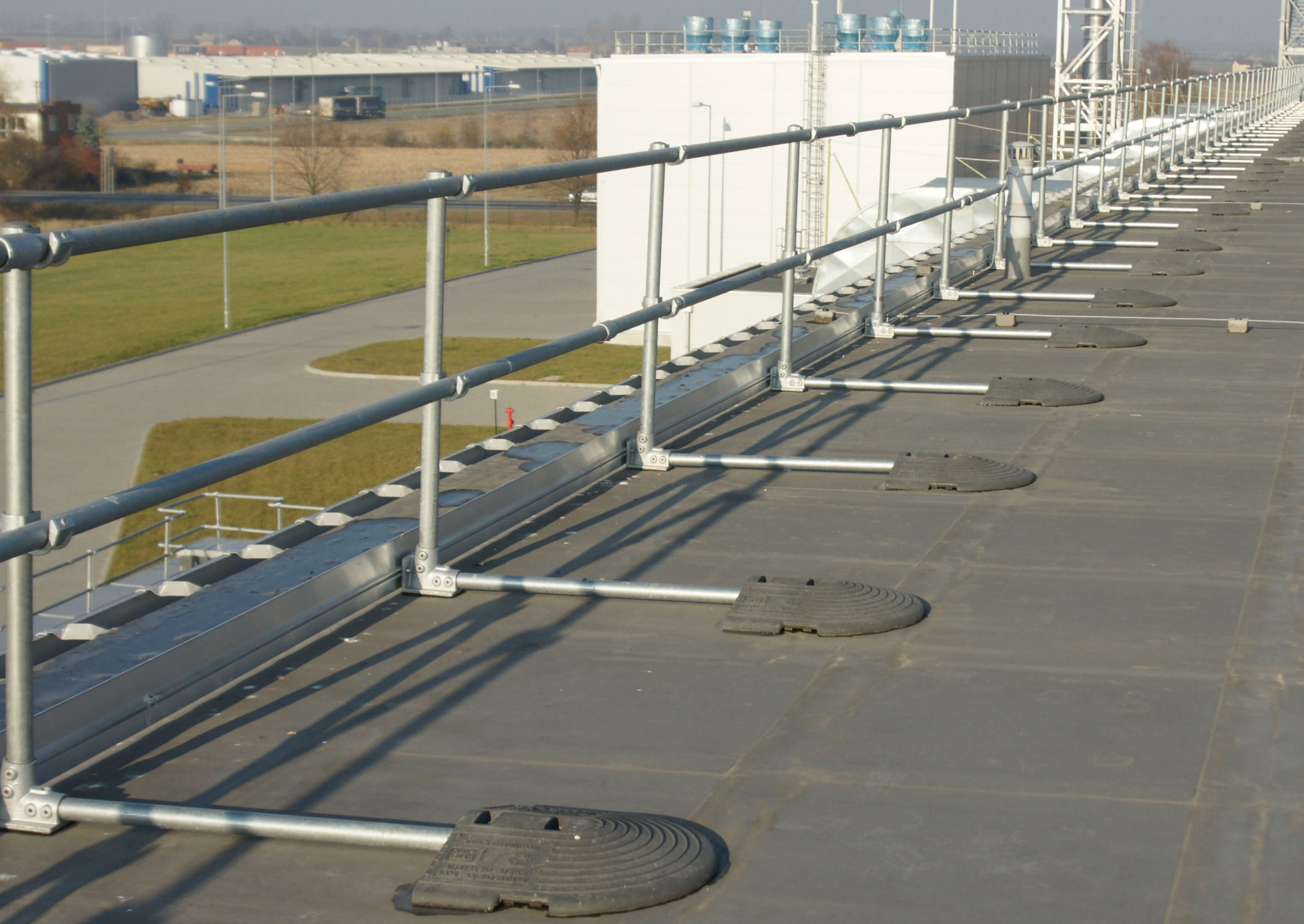
Edge safety systems are crucial to prevent injuries and falls while working at heights. They are made up of nets, barriers, guardrails or other equipment which create a safe zone around the edges of a platform, roof or other surface that is elevated. But, the process of installing or maintaining these systems is a process that requires meticulous planning and execution as well as a thorough examination to ensure that they’re efficient and comply with the safety requirements. Here, we’ll discuss some of the most effective methods to install and maintain edge-protection systems.
Select the best method
First, you need to select the appropriate edge protection solution for your particular project. Different edge protection systems offer different advantages, drawbacks and requirements based on the kind of material, size as well as the slope of the surface you’re working on. For instance, guardrails are easily installed and flexible however they might not be appropriate for curved or uneven edges. Nets are pliable and can be used to catch fallen objects, however they might not give enough space or visibility. Also, you should consider elements of the environment, like the weather, wind, snow or sun, which could affect the performance and longevity of the system.
Follow the manufacturer’s guidelines
The third procedure is following the instructions of the manufacturer for installing the edge security system. The directions should include specific instructions regarding how to install and position, secure and adjust the system’s components. Also, you should look over the specifications, like the capacity of the load as well as the height, width as well as spacing between system components. Make sure you use the right equipment, tools and personal protective equipment (PPE) to complete the installation procedure. Also, avoid modifying the system, modifying, or damaging the components of the system as it could compromise their integrity and security.
Check the system on a regular basis.
The final step is to examine edges protection systems frequently throughout, before and after the project. It is important to look for indications of wear or tear, damage or deteriorating the system’s components. Also, you should ensure whether the equipment is safe and secure. Also, it should be properly aligned with the surface. It is important to report and fix any flaws, defects, or dangers as quickly as you can. Also, keep records of your test results and any steps taken to keep that system’s shape.
The workers are trained
4. to educate the employees who will utilize this edge-protection system. It is important to make sure they are acquainted with the system’s functions, features and limitations. They should also be instructed on how to use the system, use it, and exit the system safely and in a timely manner. Also, you should provide them with information about the possible dangers, risks and emergency procedures involved when working at heights. Also, you should be able to monitor their work and ensure that they are in compliance with safety regulations and rules.
Check the system regularly
5. reviewing Edge protection on a regular basis to determine its effectiveness and efficiency. It is essential to assess whether it is in line with the needs and requirements of both the company as well as the employees. Also, you should be aware of any changes, for example, the scope, duration or the location of work that could need to be changed or replaced in the system. It is also important to get feedback from your employees as well as other stakeholders regarding their satisfaction, as well as suggestions to improve.
Take the system off correctly
Sixth step: disassemble the edge protector system correctly when the task is finished or not required anymore. Follow the instructions of the manufacturer for disassembling, detaching and storing the system’s parts. Also, you should examine and clean the parts of the system before disposing of or returning them. Also, you should make sure to restore the surface and surrounding area back to its original condition, and clean up any waste or debris. Also, you should be able to document and record the process of removal and any incidents or issues that have occurred.
https://www.saveya.co.nz/building-edge-protection/