Surfing can be challenging on its own, let alone in the harsh ocean environment. You can catch more waves if you wear the right wetsuit. It will keep you warm and protect you from UV rays, abrasion and other harmful elements.
Modern wetsuits are a far cry from the ones that were first introduced in the 1950s. However, the concept is still the same. The suit traps water that is heated up by the body and acts as an insulation layer against cold water. Wetsuits in the beginning were fragile and only served to keep surfers warm. Billabong wetsuits are now available in a variety of materials, styles, and constructions. This allows you to find the perfect suit for you, your body type, your location, and your style.
Types Of Surfing Wetsuits
Wetsuits, like any other type of gear are designed to accommodate different temperatures and conditions. There are suits that cover the entire body and suits that look more like rompers. Once you understand the different designs, it will be easier to find the perfect suit.
Fullsuits
The fullsuits cover the entire body. They can have short sleeves, or even come with a hood. These are the most popular wetsuits. If you don’t surf only in tropical waters, your first wetsuit is likely to be a fullsuit. You’ll find them in use in temperatures as low as 30 degrees Fahrenheit and as high as 70 degrees Fahrenheit.
Johns & Janes
Long Janes and Johns like the Patagonia R1 Yulex Long John Wetsuit feature a sleeveless top and full, long leg, making them perfect for cooling water on hot days. Submerged legs are insulated from the waves, and your arms have full, unrestricted range of motion to paddle out.
Shorts/Springsuits
Shorties or springsuits are made for warmer water and protect your core. These come in long-sleeved and short-leeved options and are usually no thicker that 2mm.
Jackets & Vests
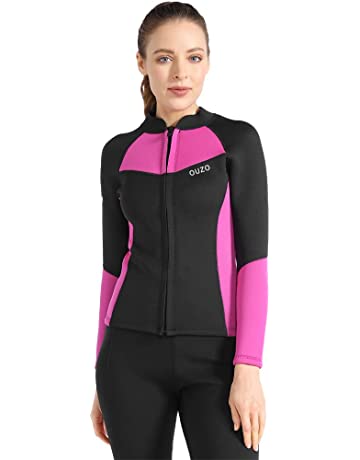
A vest or jacket can be useful if you find yourself in warmer water on a chilly morning and need to reduce the chill.
Accessories
You’ll need some accessories to cover your extremities in the coldest water. For extra warmth, you can buy hoods and gloves.
Material Types
Wetsuits used to be made from a fragile material called neoprene, which was easily damaged when being put on or taken off. Surfers and divers used talc for a few decades to slip into the suits without damaging them. The manufacturers found a way to solve this problem by lining their suits with nylon. This made them easier to put on and take off. This was only the beginning. Wetsuits are now available with a variety of innovative materials, construction methods, and linings that improve durability, warmth and flexibility.
Many beginner suits and less expensive wetsuits use a synthetic foamed material called neoprene, which is made from oil. Many companies want to provide sustainable alternatives as surfers are seeing the damaging effects of climate changes in the ocean.
Neoprene made from limestone is a slightly more sustainable alternative. Vissla, for example, uses it exclusively in its suits. It is found in many high-end suits by big brands. Patagonia and other brands have chosen to use Yulex – a natural rubber made from hevea tree sap that is certified by Forest Stewardship Council. This material is a renewable option for a sustainable wetsuit.
Wetsuit Thickness
The thickness of wetsuits varies to keep you warm at a variety of temperatures. There are some general guidelines to follow when selecting a wetsuit.
You’ll see that the thickness of a surfing wetsuit is often denoted by two numbers, such as 4/3mm. The body of the suit measures 4mm in thickness, while the extremities measure only 3mm. To provide maximum mobility, the arms and legs of the suit are thinner than the body. In a 3/5/4/3mm suit you will have 5mm in your torso and 4mm in your legs. The arms are 3mm.
This chart is a standard in the industry for determining the thickness of your suit. You may have a different tolerance to temperature. Then, factor in the wind, rain or snow, and you can decide what wetsuit is best for you.
Wetsuit Construction
Wetsuits can be made by sewing a number panels of neoprene or neoprene alternatives together. Finding the perfect ratio between panels and seams is a delicate balance. In order to find the sweet spot, wetsuit construction uses a variety of seaming methods. Each method has advantages and disadvantages. Understanding these factors and how they affect performance will help you find the perfect wetsuit to surf.
Flatlock Or Flatstitch
Flatlock seams are the least expensive and most basic option. They rest flat against the skin, providing comfort. However, they require the needle to pierce through the neoprene. This allows more water to enter and exit the suit. Flatlock seams can be found in wetsuits that are designed for warmer water and recommended up to 62 degrees.
GBS (Glued & Blindstitched)
GBS is just as stretchy as the flatlock construction, but it allows very little water to pass through, so this suit is ideal for colder water. The seams are first glued together and then sewn. Often, the needle does not go all the way into the fabric. It is only stitched one side.
GBS with Seam Tape
The added tape on a GBS seam increases the durability of the seam and reduces water seepage. All cold water wetsuits have some form of seam tape. Some suits have all seams sealed, while others only seal critical seams. Some brands use liquid tape to increase durability. However, liquid sealing can affect flexibility. Some suits have only tape on the legs while the arms are stitched with GBS to allow you to paddle out.
Welded
For maximum flexibility and waterproofness, welded seams do not require stitching. This construction method is used in more expensive, higher-end wetsuits.
Entry Systems
Three different methods are available to put on and take off your wetsuit. There are three different ways to get into and out of your wetsuit (thank goodness the days of talc-coating yourself is over): a front zip, a chest zipper, or a zipperless. Fullsuits often have back zips. The back zips are more convenient to put on and take off, but they allow for more water to seep in. Chest zips are used in high-performance suits as they provide more movement and freedom without allowing as much water into the suit. Chest zips are the best choice for those who spend a lot of time in the water. Zippers are not used on some shorties, jackets, rashguards and rashguards to increase flexibility.
Surfing Specific Features
Over the years, wetsuit innovation and technology have improved. Wetsuits are designed with features that maximize performance during swells. They use more durable, flexible and sustainable materials, as well as better construction techniques. Some offer UV protection to protect against harmful rays of the sun during long sessions. Fullsuits can be found with knee pads to increase durability. You can create the perfect combination of material, thickness and seam type to maximize performance and comfort in the water.