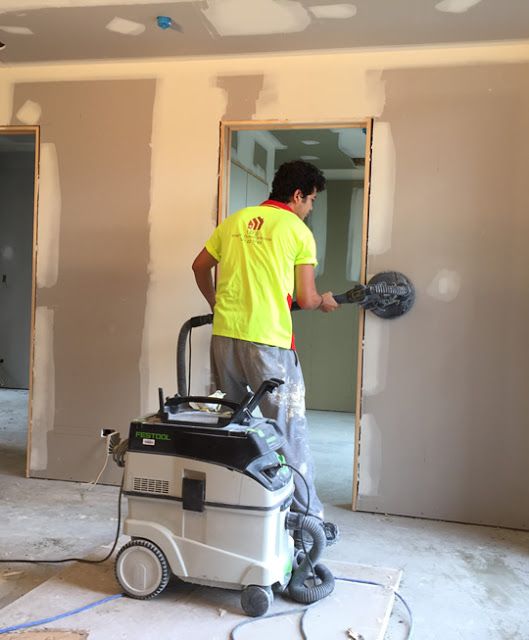
To achieve a more attractive and durable finish when GIB plasterboard is stopped, it is important to adhere to some basic rules. This guide will explain the four basic laws of GIB fixing & stopping. It will also help you locate a professional GIB installer. Ask questions about their techniques and services before you hire them. This guide will help you to identify any bad practices.
GIB fixer law – 1
Use GIB to stop light from bouncing off plasterboard joints.
Plasterboard should not be installed so that light cannot pass through the joints.
This is done by attaching the sheets in such a way that they run in the same direction as the main light source. This means that the GIB is installed horizontally on the walls. Sometimes light can fall vertically onto the surface, such as in darker or smaller rooms or rooms with skylights.
GIB fixer law – 2
Use less cut joins and butt
Butt joins are formed when two non-tapering ends meet together. Experts recommend that you order a specific GIB to fit each wall or ceiling and use the largest possible sheet size. This will minimize the possibility of butt joints. The framing members provide the instructions for how to lay out the sheet. If you have any questions about sheet structure, don’t be afraid to contact your plasterboard dealer. He will help you choose the best layout based on the sheet layout.
In cases where it is possible to avoid butt joints, the GIB should be placed above windows and doors. The condition must comply with GIB fixer laws 3, and 4. You should ensure that the ceilings’ butt joints are properly positioned to not easily visible.
GIB fixer law – 3
Keep the joins clear of places that are prone to movement.
Defective areas are more likely to be found in places that see a lot of time. These areas are not recommended for GIB Fixers. These are some common areas that are susceptible to movement:
- Experts recommend keeping joints at least 200mm from the corners of doors and windows to avoid cracking. These areas are more susceptible to movement.
- The junctions between rooms and hallways.
- Mezzanine floors and stairwells are common places where GIB plasterboard can become a problem. Because of this, the defects can be easily seen. Timber contraction can be seen over long distances due to the long lengths of timber. The junctions between floors can also be affected by movement, especially when the building is moved or lateral forces are applied. Experiential GIB fixers can prevent the creation of joins between floors.
GIB fixer law – 4
Use back-blocking for ceiling joins and stairwells
Back-blocking refers to strengthening plasterboard joints and strengthening and stabilizing the joins between boards sheets. According to the New Zealand GIB plasterboard guidelines, black blocking should always be used for ceilings with three or more joins. Back-blocked ceilings and stairways should have no more than two horizontal joins. This is because timber shrinks and expands, which reduces the chance of peaking.
Many GIB fixers prefer contact adhesive or standard setting compounds. Plasterboard manufacturers or GIB fixers do not recommend this technique. They prefer to use a plaster-based adhesive known as cove bond to install back-blocks. The cove bond’s rigidity and strength help keep the pressure off the joint so that cracking is prevented.