Purchasing a home is a big commitment that requires a lot of careful planning. A house inspection is a major component of this, however. The importance of knowing what to expect during a professional home inspection is to help potential home buyers alleviate any fears and to prepare them for what is ahead. In this article, I will highlight the important things surrounding home inspection and determine what buyers see during the inspection.
Why Get a Home Inspection
What is a Home Inspection? A home inspection is a comprehensive assessment of a property. Its goal is to spot any potential problems that can impact the property’s value or safety. Inspectors take an objective look at the major components, giving buyers an idea of the condition of the property. Such information can be used to make better decisions and leverage negotiations, leading to an ultimately smarter purchase.
Key Areas Inspected
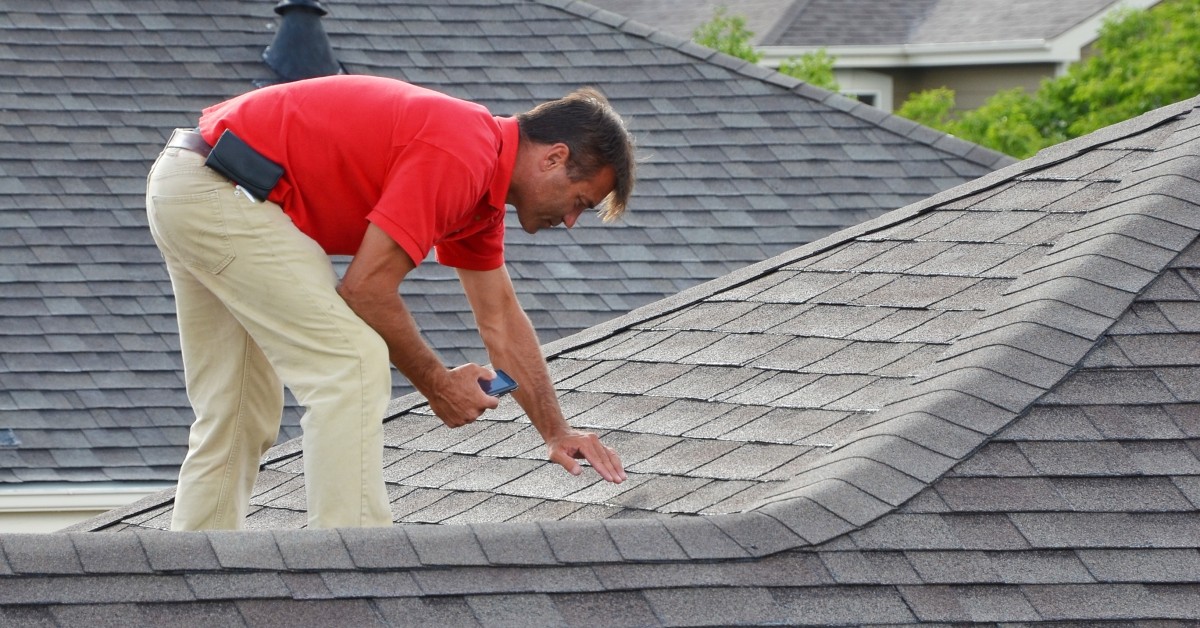
Home inspection in Burlington will focus on several key areas during the inspection process. They inspect the structure — foundation, framing, and other supports — for stability. You also want to make sure that the roof is another essential part of the home that needs protection from the elements. They see leaks, damage, or wear that could need repair.
Input is given on plumbing and electrical systems aspects to check whether the systems are functional and safe. Signs of any leaks, broken wiring, or a system that hasn’t been updated are clear signs to the inspectors. They also pay close attention to heating, ventilation, and air conditioning systems because they need to be in good working order for comfort and energy efficiency.
Inspecting The Interior & Exterior
Inside the home, they check the walls, ceilings, and floors for any signs of damage or deterioration. Inspectors examine for different signs such as cracks, stains, and other things that may signify something bigger going on. They also check windows and doors, making sure that they all seal up tightly and operate properly in terms of energy efficiency and security.
Inspectors check the siding, gutters, and drainage systems outside. The importance of drainage cannot be overstated; it keeps water out of trouble. They also examine driveways, walkways, and decks to be sure that they are safe and sound , too.
Common Issues Found
Common home problems revealed through inspections Things like peeling paint and loose fixtures. Deeper issues could be in the form of structural damage, roof problems, or ancient electrical systems. Buyers can work with the seller to correct these issues or prepare for future repairs.
The Inspection Process
Inspection will usually take a few hours based on the property size and condition. It is still a good idea for buyers to attend, as they can ask questions and get a feel for the condition of the home. They generally explain their findings, and they may also provide maintenance recommendations to assist in preserving the home.
Decoding the Inspection Report
A report is provided after the inspection. The inspector’s report summarizes any problems found and the remedial action recommended. And a proper clarity and understanding of this report will help the buyers implement the decision properly. Buyers can also seek out professionals to help understand particular problems and the costs of addressing them if they wish.
Negotiating After the Inspection
Depending on the outcome of your inspection, it can also greatly affect negotiations with the seller. If they discover major problems, they will find out that a seller can ask for repairs or a price cut. To arrive at an acceptable deal, there must be open communication between the buyer and seller. These conversations are easier to handle when you have a solid knowledge of the inspection report in place.
The Role of the Inspector
Home Buying: The role of Inspectors And their expertise and impartial assessment give good information about the weather of the property. To get an accurate inspection, you need to hire a professional inspector. A buyer will have to look into an inspector with a good reputation as well as required certifications on their own.
The Basics How to Get Ready for a Home Inspection
Being prepared can improve the process and experience of an inspection. Investors must verify accessibility and have utilities activated. This enables the inspector to examine all systems and components. Having a long checklist of questions or areas that cause concern may also help prevent anything from getting missed during the inspection.
Conclusion
Getting a home professionally inspected is an important step in the process of buying a home. Knowing what will happen allows buyers to be confident while going through the process. An inspection helps you learn the things you need to know to make an informed decision, which can save you a lot of time, money, and stress in the future. However, a home inspection, when done properly and with the right knowledge, can be one of the most useful tools a buyer can have to ensure that they are making a smart investment.