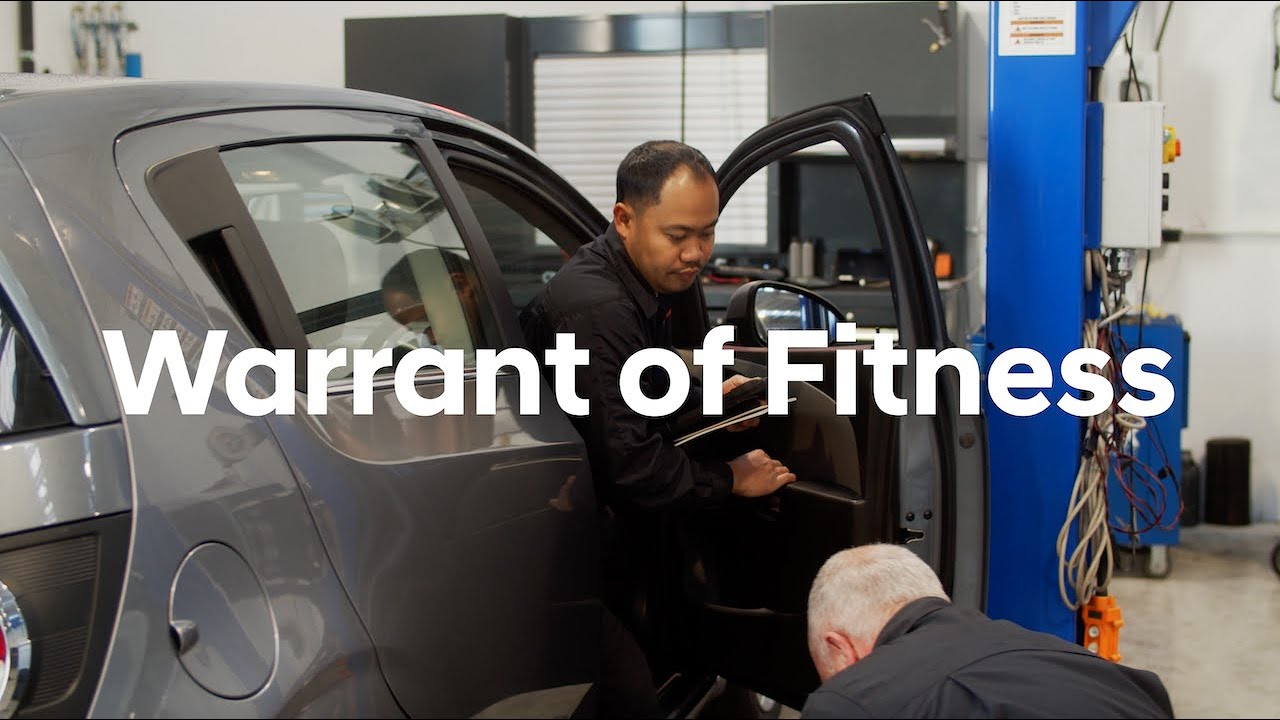
A Vehicle Warrant of Fitness (WOF) is a crucial aspect of vehicle ownership, ensuring that vehicles on the road meet safety and emission standards. Conducted by qualified mechanics, the WOF inspection involves a thorough examination of various components to assess the vehicle’s roadworthiness. In this article, we delve into the details of what mechanics typically check during a WOF inspection, shedding light on the importance of each aspect. For those seeking a WOF inspection service in Auckland, this article provides valuable insights into what to expect and why it’s essential.
1. Structural Integrity
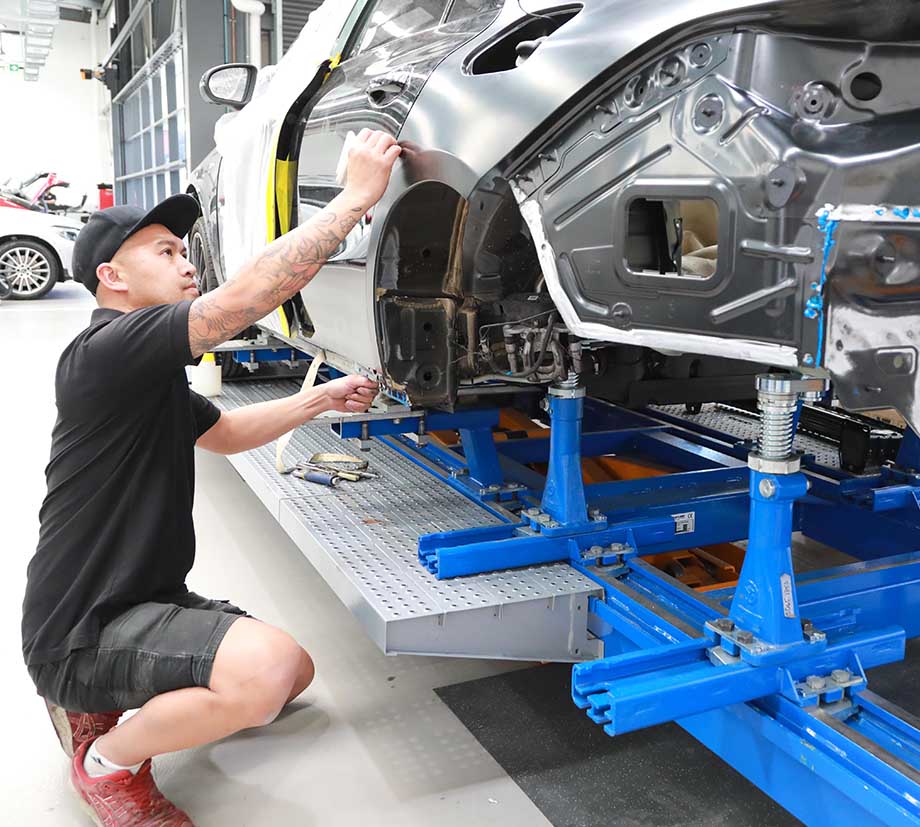
The first aspect a mechanic evaluates during a WOF inspection is the structural integrity of the vehicle. This includes examining the chassis, body, and frame for signs of damage, corrosion, or structural weakness. Any compromise to the vehicle’s structural integrity can pose significant safety hazards, potentially leading to accidents or mechanical failures.
2. Lights and Signals
Ensuring proper illumination and functionality of lights and signals is crucial for safe driving, especially during low visibility conditions. Mechanics meticulously check headlights, taillights, brake lights, turn signals, and hazard lights to verify that they are operational and correctly aligned. Malfunctioning lights not only decrease visibility but also increase the risk of collisions on the road.
3. Braking System
An efficient braking system is paramount for vehicle safety. Mechanics inspect brake pads, rotors, calipers, brake lines, and fluid levels to ascertain their condition and functionality. They also assess the effectiveness of the handbrake or parking brake. Any deficiencies in the braking system can compromise the driver’s ability to control the vehicle, leading to accidents.
4. Suspension and Steering
The suspension and steering components play a critical role in maintaining vehicle stability and handling. Mechanics inspect shocks, struts, springs, control arms, tie rods, and steering linkages for wear, damage, or leaks. Proper suspension and steering ensure smooth handling, responsive control, and optimal tire contact with the road surface, enhancing overall driving safety.
5. Tires and Wheels
Tires are the only point of contact between the vehicle and the road, making their condition vital for safety. Mechanics check tire tread depth, condition, and inflation pressure to ensure they meet safety standards. They also examine wheels for damage, cracks, or misalignment. Properly maintained tires and wheels contribute to traction, stability, and fuel efficiency while reducing the risk of blowouts or accidents.
6. Exhaust Emissions
Evaluating exhaust emissions is essential for minimizing environmental pollution and ensuring compliance with emission standards. Mechanics inspect the exhaust system for leaks, damage, or excessive emissions of harmful gases such as carbon monoxide and hydrocarbons. They may conduct emissions tests using specialized equipment to measure pollutant levels and verify compliance with regulatory requirements.
7. Seatbelts and Restraint Systems
Seatbelts are primary safety features designed to protect occupants during collisions or sudden stops. Mechanics inspect seatbelt mechanisms, buckles, and webbing for proper function and integrity. They also assess the condition of airbags and other restraint systems to ensure they are operational. Functional seatbelts and restraint systems significantly reduce the risk of injury or fatality in the event of an accident.
8. Fluid Levels and Leaks
Maintaining appropriate fluid levels is essential for the proper functioning of various vehicle systems. Mechanics check engine oil, transmission fluid, coolant, brake fluid, power steering fluid, and windshield washer fluid levels. They also inspect for any signs of fluid leaks, which can indicate underlying issues such as worn gaskets, seals, or hoses. Adequate fluid levels and leak-free systems contribute to optimal vehicle performance and reliability.
9. Electrical System
The electrical system in modern vehicles encompasses a wide range of components, including the battery, alternator, starter, wiring, and electronic modules. Mechanics inspect battery terminals, connections, and charging systems to ensure proper function and voltage output. They also diagnose electrical issues such as faulty wiring, blown fuses, or malfunctioning sensors. A reliable electrical system is crucial for powering essential vehicle functions and onboard electronics.
Conclusion
A Vehicle Warrant of Fitness inspection encompasses a comprehensive evaluation of various vehicle components to ensure roadworthiness, safety, and environmental compliance. From structural integrity to electrical systems, each aspect plays a crucial role in maintaining vehicle reliability and safety on the road. By adhering to WOF requirements and addressing any identified issues promptly, vehicle owners can contribute to safer roads and enhanced driving experiences for themselves and others.