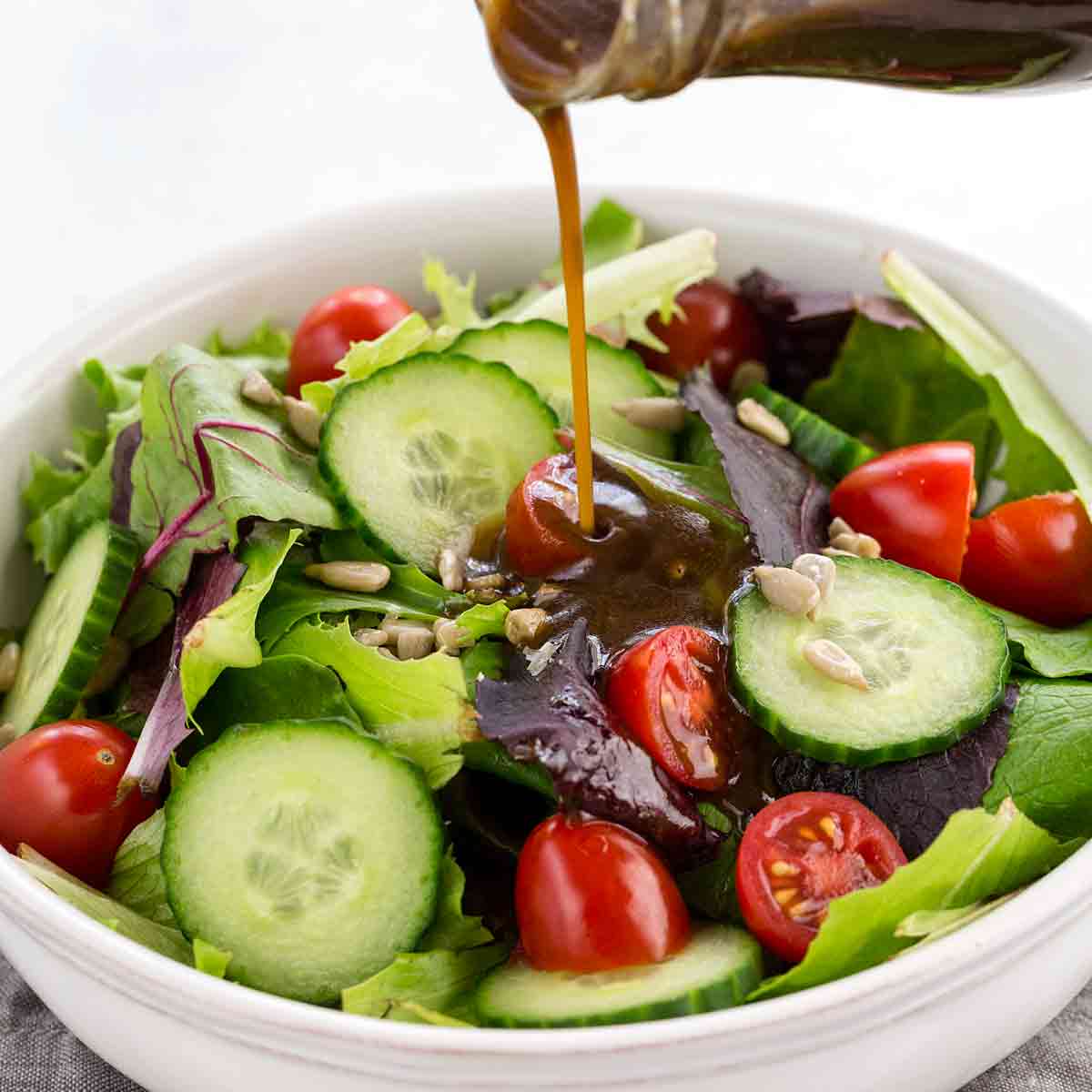
Balsamic vinegar is used to add a little acidity to salads. This deep-hued balsamic vinegar can be used in the kitchen to enhance our favorite recipes.
Add one or two balsamic vinegars to the olive oil and salt, and pepper, during fall when stews and roasts are making their return on chilly evenings. Seasonal vegetables have layers of warm, earthy flavors.
Jonathan Benno, a Michelin-starred Chef at Todat Food, spoke with Jonathan Benno to better understand which balsamic vinegars are best used for cooking and which ones should be drizzled on top of the meal (or dessert). Let’s toast balsamic vinegar!
Selecting the Right Vinegar
Balsamic vinegars are divided into two main categories: P.G.I. Balsamic vinegar from Modena, and balsamic manufactured or commodified.
If you want to be sure that the balsamic vinegar you are buying is authentic, look for vinegars with the “P.G.I.” stamp. (Protected Geographical Indication) This label, which is similar to the difference between Parmigiano Reggiano and Parmesan cheeses, proves that the product was made in Italy using certain grapes and is monitored by the European Union for authenticity and location.
Benno advises those who want to save money on balsamic for cooking to look at the ingredients. If the bottle does not have the P.G.I. Avoid those that have corn syrup or added sugars. Balsamic vinegar already contains sugar, but “commodity producers”, who want to make the product more affordable, will often add artificial sweeteners. These added sugars will burn faster than balsamic vinegar and produce different results when cooked.
Buy premium balsamic vinegar for drizzling
P.G.I. Vinegars that are meant to enhance beautiful dishes by adding a raw drizzle can be more expensive. Many P.G.I. Many P.G.I. The older the vinegar, the higher its price. Carandini in Modena, Italy, is one of the oldest balsamic vinegar producers. They have been producing vinegars since 1641. Premiums can cost up to $75 but a small amount goes a long way.
As a finishing touch, a high-density balsamic that has a stronger, more intense flavor, such as Emilio Silver would be perfect. it only takes a couple of drops to elevate savory or sweet dishes like cheeses and strawberries.
Benno agreed.
“You can use a few drops of Parmigiano-Reggiano with salumi or gorgonzola. The acidity, sweetness and complexity of the sauce can stand up to foie gras and other richer meats and cheeses.
A drizzle of aged balsamic will also enhance the flavor of creamy desserts such as fior di lattes, hazelnut, pistachio, or strawberry gelatos, or ice-creams.
After learning how to use a few drops to transform meats into luscious, fatty dishes and to create unique desserts, it is time to start cooking with “jug balsamic”, as Benno refers to them (the more affordable, younger, but authentic D.O.P. Or vinegars from other origins, without sugars or additives.
Vegetables
Balsamic vinegar is a great way to enhance the flavor of many seasonal vegetables in the fall. It’s easy to add vinegar to different types of produce.
“Squashes are split and the seeds removed. Then, they’re drizzled with balsamic and olive oil on a sheet of aluminum foil (lined with it). Use olive oil, not extra virgin, and a jug of balsamic. Roasted in the oven.”
You can use the same preparation for all vegetables, including carrots, turnips celery roots, beets and carrots.
Soups, stews, and braises
Benno recommends adding a splash balsamic to many soups such as lentils, barley, or creamy pumpkin.
“Make it, purée it, drizzle it with olive and balsamic oil.”
Benno uses an Instant Pot pressure cooker to cook hearty stews at home, rather than in his restaurant. If you are making a beef or pork stew, and it calls for red wines, add one part balsamic to the mix.
Benno advises that when braising, like a braised short-rib, you should not use balsamic as you would wine to deglaze your pan. The balsamic sugars will make the dish too sweet and sticky.
In a recipe for braised ribs, you will see the words deglaze and reduce. Do not reduce the balsamic. After deglazing with water or broth, add maybe 1/2 cup balsamic in place of wine.
Balsamic Reduction
It is possible to reduce balsamic vinaigrette into a sweet reduction. It can be added to many dishes for a finishing touch. It is great on salads or drizzled over meats, cheeses ice creams, and even more hearty fish. If you don’t have access to aged balsamic that is meant to be drizzled, reducing the jug of balsamic will give your appetizers, dinners, or desserts a beautiful and flavorful finish.
It takes a lot of attention, but not much time.
“Reduce the amount slowly, and keep an eye out for it. Keep your hand literally on the handle of a large pan. Benno said that if you start with one cup, the reduction down to glaze only takes a few minutes. It will quickly go from caramel to syrup. Keep stirring. Scrape sides to prevent burning. It should be hot between your fingers when it’s done.
Reductions are great for sprinkling on your favorite vegetables, meats, soups, or salads. They can also be stored in a jar in the pantry.
Benno uses his reduced cream cheese instead of cream spread on a bagel with capers, olive oil and smoked salmon.
Marinades
Balsamic is a wonderful marinade for chicken, pork tenderloin and pork chops. Benno recommends using balsamic as a marinade when grilling or roasting your meats. Cooking them in a frying pan can cause sugars to burn and stick on the outside of the protein.
The sugar in balsamic vinegar is to the cook’s benefit. “The sugar in balsamic aids caramelization, sweetness and acid”, says Benno who marinates meats with olive oil, balsamic, garlic, rosemary, sage, and balsamic.
To prevent the balsamic from burning, rotate the meat frequently when grilling. Line sheet pans or use a roasting rack with aluminum foil in the oven. Be sure to rotate the
meat.
Benno said that balsamic marinades made with olive oil and fresh garlic, along with fresh herbs such as sage and rosemary, are also great for heartier shellfish and fish, like salmon, tuna and mackerel. They can even be used on salmon, tuna and octopus. It’s better to brush on the marinade just before and during the cooking process, rather than letting it soak into the seafood.
You’ll be able to create a variety of delicious fall dishes with the right balance of sweetness, earthiness and acidity.