Introduction
Just by giving greater beauty and durability for any structure, Plastering actually serves a function. This guide will inform you about interior plastering and exterior plastering, and give you useful tips whether you are a homeowner or builder yourself. If you grasp the basics of plastering you will be able to add aesthetic or functional value to a property.
Understanding Plastering
Plastering refers to a coat that is applied on the walls and ceiling for protection as well as decoration. Not only does this make them look good but also gives them some protection against the outside environment. This technique has been in use for hundreds of years, with each passing generation evolving to take advantage of new building materials and methods.
Types of Plaster
Plaster comes in various forms, each with its own unique characteristics. For example, gypsum plaster is frequently used for internal plaster work since it provides a smooth finish. There is also use of lime plaster, which is breathable and flexible. Cement plaster is primarily used for providing strength and weather resistance in exterior applications.
Interior Plastering
Plastering gives homes and buildings a finished look when we are inside them. Choosing between different types of plaster depends on the finish you need and how the room will perform. Moisture-resistant choices will be a good fit for high-humidity regions. Before you start, make sure that the surfaces are clean and free of dust. A primer can also promote adhesion and help you get a nicer finish.
Exterior Plastering
Exterior plastering helps in protecting from rain, winds, etc. The most widely used plaster is cement plaster known for its durability properties. We need to check the surface before starting to see if there are any cracks or defects. They need to be fixed so they do not happen again. It should be even and consistent for a more wholesome look.
Tools and Equipment
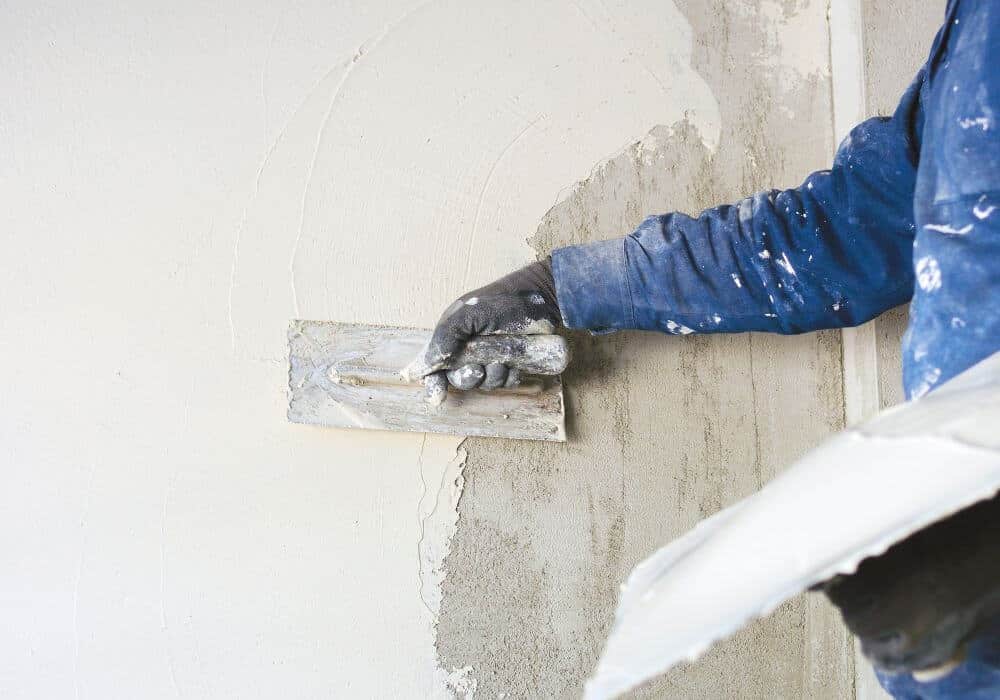
Tools: The right tools are necessary for successful plastering. Some examples of basic tools are trowels, hawks and floats. You have trowels to smooth out the plaster, and hawks to hold the material while it is being applied. Floats are used to even the surface after the plaster has been applied. Of course, if you invest in some good tools, it will be easier to do as well as achieve better results.
Common Challenges
It has several challenges in plastering, like cracks, uneven surfaces, and bad adhesion. These can be avoided if we adhere to best practices and good quality materials. Of course, through proper drying time between each layer, cracks can be avoided. Some surfaces may not be even and you may need more layers or more sanding to fix that. Proper mixing and application can improve adhesion and minimise issues.
Safety Considerations
Ended Plastering Tips: Safety aspects of plastering. Using protective equipment such as gloves and masks can help avoid injuries and respiratory diseases. Also, make sure to ventilate in closed rooms. By following safety guidelines and using the right equipment, you can mitigate the risks involved.
Maintenance and Care
After plastering, with regular maintenance of the finish, we can also prolong its life. A damp cloth on surfaces can keep dust away. Removing exterior plaster allows for occasional inspections to see if there is any damage, wear, etc. Quick repairs stop bigger problems from occurring and keep the integrity of the building intact.
Hiring Professionals
Some people may choose to plaster themselves, but hiring professionals can ensure a professional finish. Professional plasterers are experienced and skilled, thus lowering the chances of an error. Plastering services in South Auckland refer to the professionals who offer plastering services. If anyone needs expert help, then they can find assistance through plastering services in South Auckland.
Conclusion
Plastering is a skill that can not only make your spaces look better, but it will also increase the functionality of the spaces. Knowing the fundamentals can lead to satisfactory results, whether you take it up by yourself or use the services of professionals. With appropriate materials, correct methods, and ongoing management of the finished noise banking institutions, both homeowners and builders can create beautiful, and potentially, access to residences in the same state over time.