Nothing is more inviting and cozy than a fireplace that has a fire going. For those who have fireplaces in their homes, winter nights are not as cold. There is one major problem with a fireplace that has a real fire. That is the soot staining on the brick. It can be hard to remove soot, but there are many techniques you can use to make a brick fire place look new.
What Is Soot?
When carbon does not burn completely, soot remains. It is composed of tiny black particles, smaller than dust. They are so small that they can get into places that other dirt types can’t. Waterways can be poisoned by soot because it is acidic.
Why Are Soot Stains So Difficult To Remove?
Soot stains are difficult to remove because of their small size. Even the smallest of grooves or indents can cause them to become embedded. It is particularly true with brickwork.
Brick surrounds around your fireplace can easily become stained by soot. Bricks have many tiny holes that can be filled with soot. It is therefore unlikely that a simple wipe with water will remove soot.
It is also because the heat from the fire makes it so difficult to remove soot. The heat of the fire opens up the brick pores, allowing the soot to penetrate even further.
Why Is It Important To Clean Fireplace Brick Regularly?
It is not only unsightly, but it can also ruin the appearance of your fireplace. This is a real shame as a fireplace makes a great focal point for your home. Regularly cleaning soot stains will ensure that your fireplace is beautiful and inviting.
But even more important, the soot itself can damage the material to which it adheres. It is acidic, which over time will corrode bricks.
How to Clean Soot from Fireplace Brick
Before you begin to remove the soot, it is important to note that bricks must be cleaned with extreme care. Bricks that are older than 20 years should be cleaned with care. Bricks are porous, so cleaning them with harsh chemicals or acids that are very corrosive can cause irreparable damage.
It is therefore best to begin with gentler cleaning solutions and work up to more powerful ones if these don’t remove the soot. You can test each method on an area that’s not visible if you are concerned about damaging the brick. You will get a better idea if the method is suitable for use on your entire fireplace.
Before you begin, you should make sure you have your equipment prepared. You will require:
- rubber gloves
- Spray bottle
- A hard bristle toothbrush
- A mask (if you are using chemicals that are harsher)
- A bucket
- Some cloths
Prepare the Area Before You Start
It is dirty work to remove soot. It is a dirty job. You should also try to prevent the dirt from spreading throughout your house, since you will be cleaning your fireplace right in the middle.
Protect the Floor
You can prevent soot from settling into your carpets or flooring by laying down a waterproof dropcloth. Remove any valuables to avoid them getting covered in soot.
If you clean soot, some tiny particles can become airborne. They can travel an unexpected distance. You can read our article “Best Way To Clean Laminate Floors” if you want to learn more.
Wait For The Fireplace To Cool Down
Before you start cleaning, make sure that the fire has completely cooled. The cleaning solution may behave differently if the bricks are still warm. This could cause the bricks to be damaged.
The Fireplace Must Be Emptied
Empty the fireplace of all wood, ashes, and loose soot. You can then clean your fireplace completely without having to worry about it getting dirty again. This will prevent you from being covered in soot.
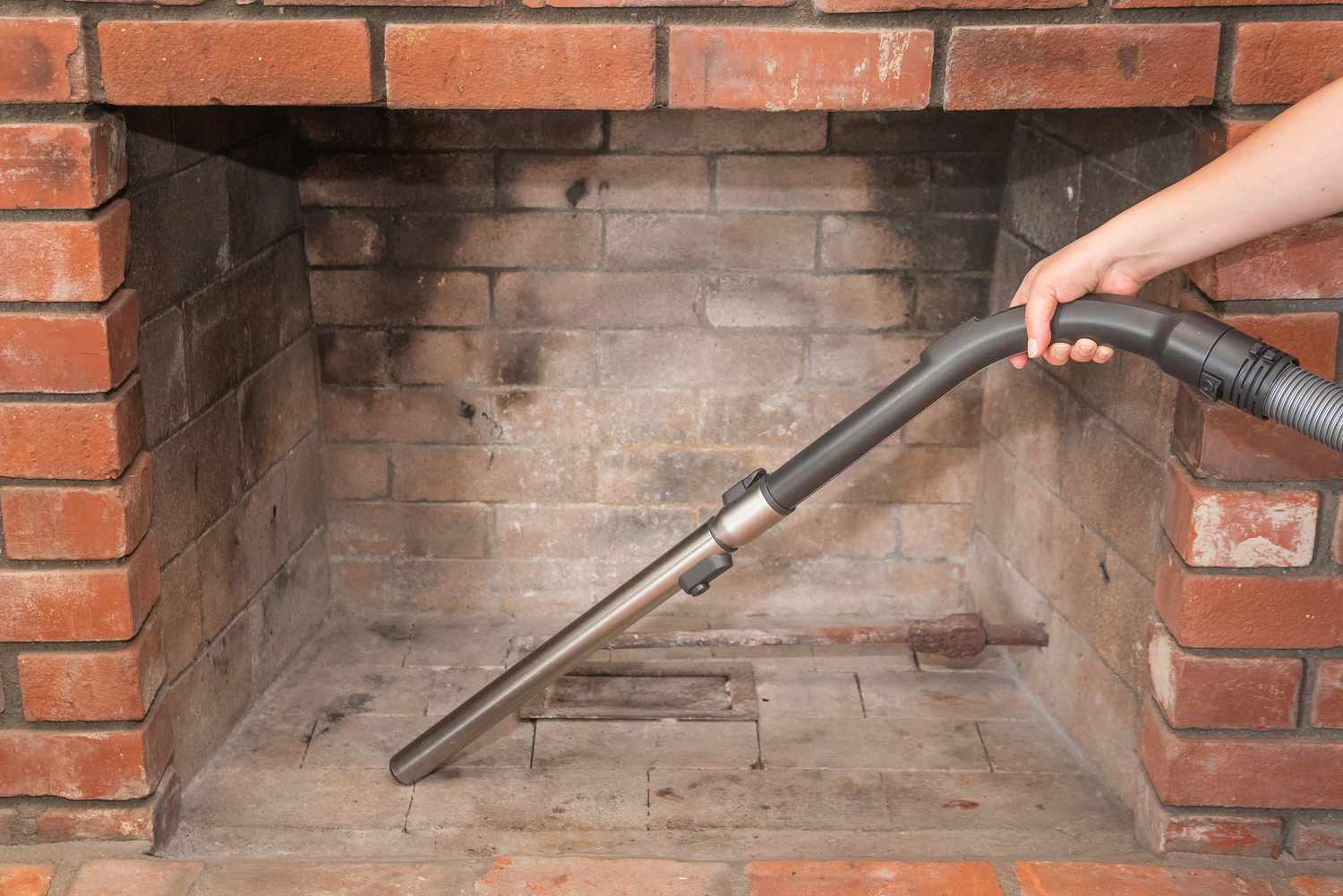
Use the brush attachment on your vacuum to remove as much soot and dirt as you can. Use plain water to remove any soot on the bricks.
Dish Soap
This is the most gentle way to remove soot from bricks. Dish soap will lift the soot off bricks without damaging them.
Pour half a cup dishwashing liquid, or dish soap, with four cups water into a sprayer bottle. Try adding two tablespoons of salt as a mild abrasive.
The bricks should be sprayed liberally with cleaning solution.
Use a scrubbrush (and lots of elbow grease!) Remove the soot stains. Start from the top, as the dirty water will run down the bricks.
Rinse the soap bricks as much as you can with warm water using a sponge. You can then determine if the process needs to be repeated.
White Vinegar
You can try a more powerful method if dishwashing fluid doesn’t work. White vinegar is acetic acid, which helps to lift the soot stain from bricks.
It is important to note that the acid can be slightly corrosive, so it’s best to avoid using too much solution or leaving it on too long.
Pour the vinegar solution into a spray bottle, mix equal parts of vinegar and water. Spray the solution onto the bricks starting with the area near the top of your fireplace.
After 10 minutes, scrub the bricks with a scrubber. Rinse the fireplace bricks with hot water to remove any white vinegar. Check for any remaining stains. We have a dedicated post about apple cider vinegar cleaning tricks.
Baking Soda
Baking soda paste is an effective way to remove stubborn soot stains. Baking soda will help lift the soot off the brick by agitating the particles.
Baking soda and water should be mixed in equal amounts. This will create a thin paste. The paste should be applied in thin layers to the bricks, with thicker sections added where there is more soot. Leave the paste for 10 minutes, but do not let it fully dry as this can damage the bricks.
Use a scrubber to clean the bricks, then wipe them with warm water using a wet sponge. Be careful not to scrub the baking soda too hard, as it can be abrasive. Repeat the process as necessary.
Scrubbing Bubbles
Scrubbing Bubbles or other foaming bathroom cleansers can be effective in removing soot. Their formula is designed to lift and cut through grease and grime. This can help remove soot.
If the more gentle methods don’t work, this is a great alternative. Wear gloves as the cleaners can irritate skin.
Spray the cleaner on the black streaks, and let it sit for 15 to 20 minutes. The foam will agitate and lift the soot from the brick during this time.
After scrubbing in circular motions, rinse with hot water. It may be necessary to repeat this process several times.
TSP (Trisodium Phosphate)
It may be necessary to use a more aggressive cleaning agent if none of the natural products have worked. Trisodium Phosphate (TSP) is an effective deep-cleaning product that will easily remove even the toughest grease and grime. It is available in most hardware shops. You will have to be careful.
Trisodium Phosphate can be dangerous for your health, particularly if inhaled. Trisodium phosphate is also an irritant to the skin. If you plan to use TSP, you will need the proper protective gear. Wear rubber gloves and eye protection, such as safety spectacles, along with a mask. Wear long sleeves and trousers. Always follow the instructions of the manufacturer.
Cleaning with TSP is very similar to cleaning with baking soda paste. Mix eight tablespoons TSp with one gallon water to make a cleaning solution. This will produce a thin layer that can be painted on the bricks using a paintbrush.
After 0 minutes, scrub the bricks with a stiff-bristled brush. You should be able to remove the soot quickly, leaving you with clean bricks.
Rinse the bricks thoroughly with warm, soapy water.
This method may cause damage to fireplace bricks older than 20. Test the solution first on a small, inconspicuous area to see how it reacts.
Spot cleaning
You may still find small soot spots on the fireplace surround after you’ve cleaned it. It’s not a good idea, to reduce the damage to the bricks of the fireplace, to clean it all again. Focus on cleaning the most damaged areas.
You can use any method that you like: baking soda, vinegar solution or TSP, but only on the areas where there is still soot. Use the normal method of scrubbing using a scrubbrush, followed by a warm water rinse. For more information, you can also read our article “Remove efflorescence from brick with vinegar“.
Calling in a Professional
A professional cleaning service could be the best option if none of these methods have worked. Professional cleaning companies will not use harsher and more damaging cleaning solutions that may end up damaging brickwork. Instead, they will have the knowledge and experience necessary to determine the best cleaning solution that will preserve the fireplace surround while cleaning the brickwork.
Our technicians are highly trained and have many years of experience in removing the most stubborn stains. They will do their best to remove the soot from your fireplace surround without damaging it. We only use high-quality cleaning products and techniques and treat every job with respect and care.