It’s a rare and lucky day when you spot a four-leaf clover in your yard. Unless, of course, that is, you have been trying to find out how to get rid of clover from your lawn. It’s not easy to get rid of clover, especially when you want to protect the lush lawn that you have worked so hard to maintain.
While you can argue whether plants are flowers or weeds until the cows arrive, especially if the clover is eaten by the cattle, the important thing to remember is that there are ways to kill clover weeds without destroying your entire lawn.
What is Clover?
Clover is an annual group of flowering beans. There are many different types of clover, but you will most likely find white clover growing in your yard. It is easily identified by the tiny white flowers that appear on the stems with three or four leaves that grow in large patches. Other species include strawberry clover, red clover, and red clover. These have pink flowers instead.
Clover is very common among cool-season grasses. It spreads via seed and by nodes at the roots. Clover could have been spread by your feet, a lawnmower, the wind or your dog’s fur.
Clover is not harmful for your lawn. Some people prefer it to grass as an alternative. Too much clover, however, can indicate turf problems and ruin your lawn’s aesthetic.
Why Does Clover Grow In Lawns?
Why does clover so readily settle into our lawns? Clover thrives in soils with high pH, low height and low nitrogen, all of which are common problems for lawns.
Nitrogen
Here, the nitrogen is of particular importance. Clover is in a symbiotic relation with soil bacteria that helps it maintain nitrogen levels. It doesn’t have to take it from the ground like other plants.
Why is it important? The following methods can help you get rid of clover and not kill your grass. Call a lawn care service if you need assistance removing clover.
Soil PH
White clover can thrive in soils as low as pH 4.5 or as high as pH 8. However, the ideal pH range for white clover is between 6 and 7.
The plant prefers higher pH levels because it is more responsive to potassium and phosphate. These are both produced in large quantities when the pH level is above 6.
Compacted Soil
As the air is squeezed out of the soil particles, constant foot traffic will cause your lawn soils to harden. Compaction can make it difficult for grasses to get the water, air and nutrients that they need. Clover thrives in compacted ground, rather than wilting or discoloring. The fibrous roots and its thick, interconnected tap can act as a natural soil aerator.
How to Kill Clover on Lawns
Here are seven quick ways to eliminate clover from your lawn.
1. Dig it Up
Hand-pulling weeds is an art. But you don’t need to use the same amount of elbow grease on clover as you would for thistle, orchard grass or orchard grass.
It is essential to cover the entire root system and get as much coverage as possible in order to prevent it from spreading.
- As soon as it sprouts, in the spring, pull up clover with your hands.
- Wait for morning dew, or a recent rain shower to loosen the soil.
- To loosen the surrounding grass, use a spade.
- Grab the base of the clover patch with gardening gloves (clover is often a bee magnet) and gently pull it up to get the entire root.
2. Herbicide DIY
It is easy to make homemade herbicides using pantry ingredients. They can dry out clover and cause enough damage to kill stubborn patches.
Remember that this spray will likely also damage the grass around it, so use only on clover patches where you can directly target the weed.
- In a spray bottle, combine 1 part vinegar and 1 part water.
- To thicken your solution, add a few drops of dish soap.
- Spray the clover as closely and specifically as you can.
- Apply every day for one week, or until the clover begins to wilt.
This tactic can be used on many weeds, but you must take care not to spray on other plants.
3. Select the Right Herbicide
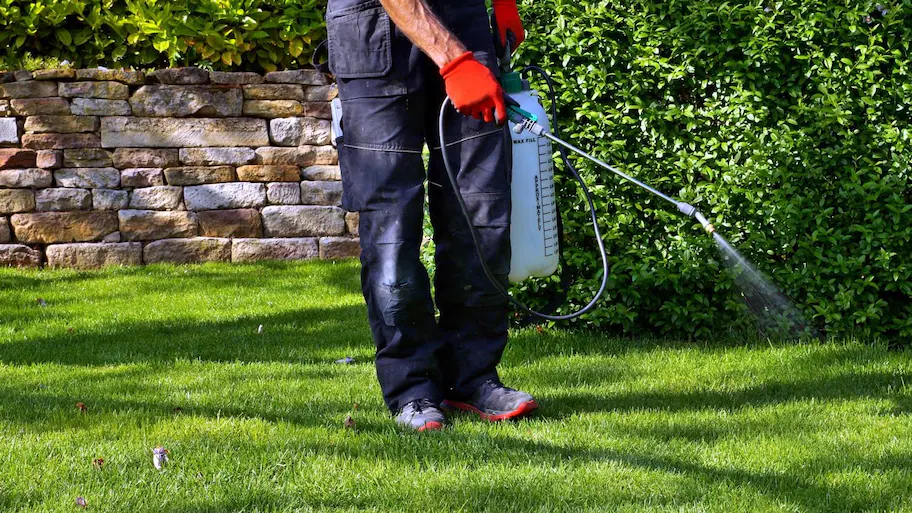
You can use pre-emergent and selective herbicides to kill clover while keeping your grass healthy. Check that the commercial herbicide you select specifically targets clover, since not all organic or chemical options are suitable for each plant.
Dilute the herbicide solution and apply it according to the directions. Pre-emergent herbicides are usually applied in spring, since the herbicide, as its name suggests, will kill the clover before sprouting.
Selective weed killers are also available from many popular brands of herbicides, fertilizers and other products. Always follow the directions and wear protective clothing when spraying. Check that the health and safety warnings on your herbicide, whether organic or not, include children and pets.
4. Increase Nitrogen
We now know how clover keeps its nitrogen. Let’s look at the nitrogen levels that can be maintained in your lawn to keep it away. Addition of nitrogen, whether through commercial or natural fertilizers, to your lawn will prevent new clover growth.
The NPK numbers on lawn fertilizers indicate the amount of nitrogen, phosphorus and potassium in each solution. Slow-release and fast release fertilizers both offer high nitrogen levels.
Adding extra nitrogen is not a good idea. Too much nitrogen–particularly when added with a fast-release formula–can burn the grass and cause bare or yellowing spots.
5. Smother Patches
This method for getting rid of clover on the lawn is a compromise between eliminating the weed without threatening the grass. Use the smothering technique only to eliminate clover patches that are dense. Do not use it to eradicate your entire lawn.
- Select the area you want to eradicate the clover from your lawn.
- Cover the patch using a black plastic garbage bag.
- Weight the edges down with bricks or stones.
- Allow the spot to sit, preferably in the sunlight, for up to six weeks.
- The bag will kill all grasses and clovers below it.
- Remove the bag, and then proceed to reseed the area.
6. Mow High
Clover can spread if you mow your lawn at a low level. Set your lawnmower to a height of 3 inches and above, then only mow when you are able to remove 1/3 or less from the blade. This tactic will not only allow your grass grow strong and big, but will also maintain enough turf height to drive clover away.
7. Spread Corn Meal Gluten
The protein by-product of corn, known as corn meal gluten, releases peptides which prevent plants from sprouting. Spreading and watering the corn meal gluten won’t kill the clover you have, but it will prevent it from spreading or emerging in spring.
This method is not recommended if you are reseeding a lawn or have recently planted new flowers. It will only slow down the growth.
- Buy 20 pounds of cornmeal gluten per 1,000 square feet.
- Spread evenly over clover areas.
- Let the lawn air dry and water lightly.
- Remove any clover that has emerged by hand.
- Repeat each April or May, and every September and October.
Clover Is A Weed That Can Be Controlled By Preventing It From Returning.
Preventing clover from spreading is as effective as removing it. Getting ahead of the game will also protect your entire lawn. The healthier your lawn is, the lower the chances of clover spreading.
Test pH and Nutrient levels annually
An annual soil testing kit will ensure that the levels of nitrogen, potassium, and phosphorus don’t rise too high, and that the salinity is high enough to stop clover from exploding. The average cost of a lawn soil test is $60. This makes it an excellent investment.
Regularly mow the high setting
Continue to mow on high. It’s possible that you don’t have the neatest lawn and will need to use your mower more often. Keep your lawn dense to prevent the sun from reaching your clover.
Proper Fertilization Schedule
Lawn fertilization is one of the best methods to stop clover from regrowing. A lush, thick grass will help to crowd out clover. If clover is taking over your lawn, it makes sense to use a fertilizer that contains higher levels of phosphorus and Nitrogen to encourage grass growth.
The University of California recommends that you apply 1 pound of active Nitrogen per 1,000 square feet of grass during active growth.
Pull-up patches
If you see only one or two clover plants in your lawn, remove them by hand as soon as possible to prevent the seeds from spreading. This method works best on small lawns, before the problem gets out of control.
After rain or irrigation, pull up the plants. It is easier to pull out deep roots when the soil is moist.
Lay Mulch
Add an organic layer every year to flower beds and bare areas that you intend to seed with turfgrass. Before adding mulch, you can add a layer of wet biodegradable newspaper to create a light-blocking barrier. A 3-inch-thick layer of bark, pine needles or compost is ideal.
Clover Is A Great Addition To Your Lawn.
Eco-conscious gardeners are increasingly turning to clover lawns for their landscaping needs. Before you kill off clover, consider its contributions.
- No-mow or low-mow grass cover
- More Worrying Weeds to Control
- Greenery all year round in colder climates
- It doesn’t require additional fertilizers or chemicals to survive
- Natural fertilizer that adds nitrogen to the soil.
- The drought tolerance of this plant makes it perfect for water conservation areas
- Pollinators like bees are attracted to flowering clover.
- Affordable lawn cover
- Aeration of the lawn is not necessary
- Dog urine resistant and pet-friendly lawn staining
- Deep roots help prevent slope erosion
Hire a Pro vs. Hire a Professional
Landscapers can charge between $50 and $150 per hour depending on the service they provide. The cost of the final product will vary depending on how many clover plants are in your lawn, and what tactics they recommend.
Some lawn care professionals will recommend a change in your lawn care routine to prevent future clover growth, and include this in their weekly maintenance fees.
With a little persistence, you can control or eliminate clover weeds from your lawn. Call a local lawn care service if you’re frustrated. They can help you find out what is causing the clover weeds to grow in your lawn.