If you’re in the process of buying a new home, congratulations! It’s an exciting journey, but it’s also a significant investment. One crucial step in the home-buying process is a thorough home inspection in Winter Garden Fl. In this comprehensive guide, we’ll walk you through what to expect from a home inspection, covering everything from the initial preparations to the post-inspection follow-up.
Preparing For The Home Inspection
1. Choose a qualified inspector
Before scheduling a home inspection, it’s crucial to select a qualified inspector. Look for professionals who are licensed, experienced, and well-reviewed by previous clients. A reputable inspector will help ensure a thorough and unbiased assessment of the property.
2. Schedule the inspection
Coordinate with your real estate agent to schedule the inspection. Ideally, this should be done after you’ve made an offer on the home but before finalizing the purchase. This timing allows you to negotiate repairs or credits with the seller based on the inspection findings.
3. Attend the inspection
While not mandatory, it’s highly recommended that you attend the inspection. Being present allows you to ask questions, gain insights into the property’s condition, and address any concerns with the inspector directly. It’s an excellent opportunity to learn more about your potential future home.
The Home Inspection Process
4. Exterior inspection
The inspection process begins with a thorough examination of the home’s exterior. This includes assessing the condition of the roof, siding, foundation, and overall structural integrity. The inspector will also check for any drainage issues and examine the landscaping.
5. Interior inspection
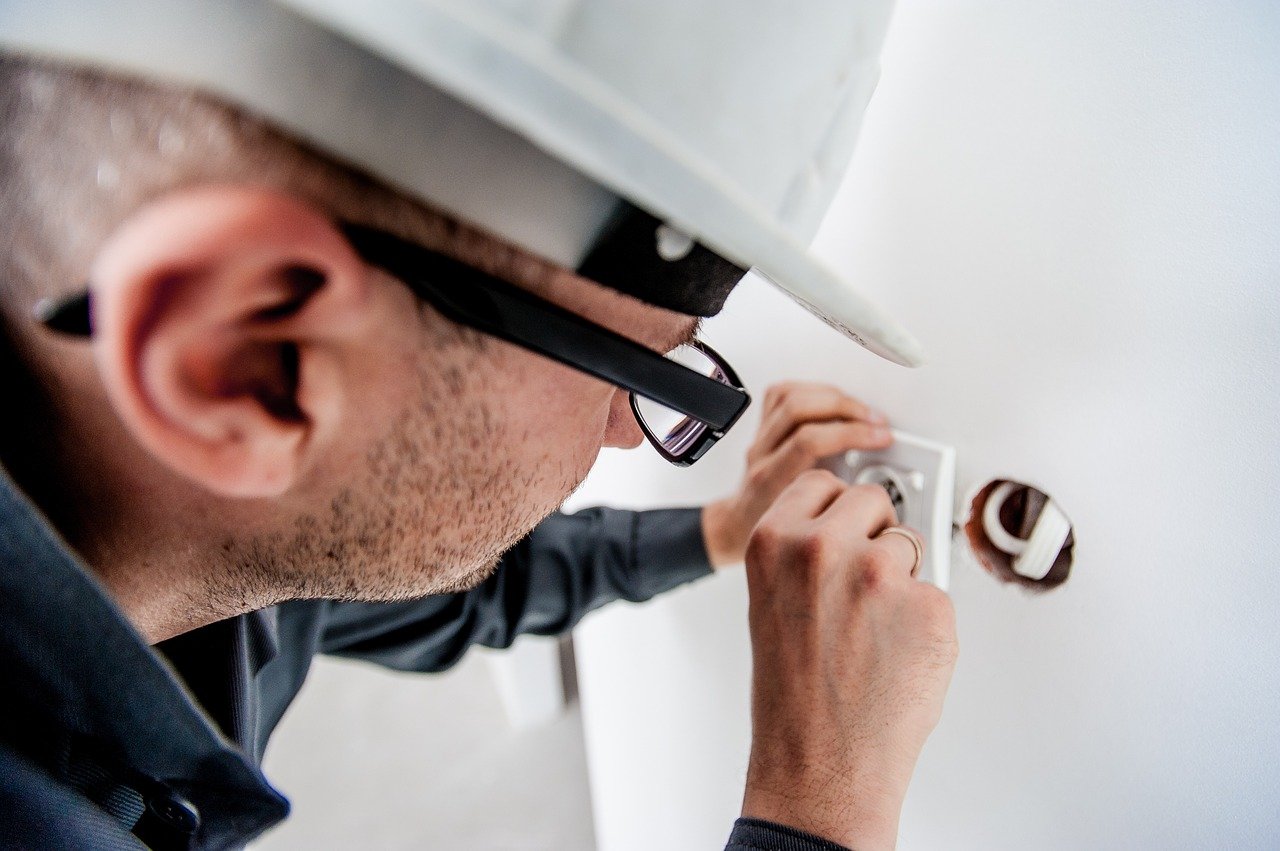
Moving inside, the inspector will assess the interior of the home. This includes inspecting the walls, ceilings, floors, windows, doors, and the condition of any installed appliances. Electrical and plumbing systems are also examined to ensure they meet safety standards.
6. Attic and basement inspection
Inspectors will often pay close attention to the attic and basement areas. These spaces can reveal signs of water damage, mold, or structural issues. Proper insulation and ventilation will also be evaluated.
7. HVAC and mechanical systems
The heating, ventilation, and air conditioning (HVAC) systems, as well as other mechanical systems like water heaters, will be inspected for functionality and safety. Any necessary repairs or replacements will be noted.
8. Documenting findings
Throughout the inspection, the inspector will document their findings. This typically includes photographs, notes, and detailed descriptions of any issues or areas that require attention. You will receive a comprehensive report after the inspection is complete.
After the Home Inspection
9. Reviewing the inspection report
Once you’ve received the inspection report, take the time to review it carefully. The report will outline any deficiencies or concerns discovered during the inspection. You can use this information to negotiate with the seller regarding repairs or credits.
10. Moving forward
Based on the inspection findings and your negotiations with the seller, you have several options. You can proceed with the purchase as-is, request repairs or credits, or even decide to walk away from the deal if the issues are too significant for your comfort.
Frequently Asked Questions
Q1: How long does a home inspection usually take?
A home inspection typically takes a few hours, depending on the size and condition of the property. It’s advisable to set aside half a day for the inspection.
Q2: Can I choose my own inspector, or does my real estate agent select one?
You have the freedom to choose your own inspector. While your real estate agent can provide recommendations, the final decision is yours.
Q3: Are there any items that are not included in a standard home inspection?
Yes, a standard home inspection may not cover specialized areas like pest inspections, septic systems, or environmental hazards. If you have concerns about these aspects, you may need to arrange for additional inspections.
In conclusion, a home inspection is a critical step in the home-buying process that provides valuable insights into the condition of the property. By following these guidelines and understanding what to expect before, during, and after the inspection, you can make informed decisions and ensure that your new home is a safe and sound investment.